Broadview Table Talks: Toronto Real Estate Podcast
Join us as at the Broadview table as we host a weekly talk show with everything to do with Toronto real estate.
The Toronto market is confusing. So whether you are a new or experienced investor, or are just looking for a home to raise you and your family in, join us for Broadview Table Talks as we talk about strategies to navigate the ever-changing Toronto real estate world.
We live and breathe this stuff, so we’ll have honest and open talks with my friends around our table.
Listen on:




Episodes
Jun 29, 2022
Jun 29, 2022
38 min
Season 4, Episode 2: Financial Literacy: How to Make Sound Financial DecisionsDo you know the concepts of financial literacy? What should you invest in? We all know that real estate is a great asset class, but coming up with the down payment is hard. How do you get started? They don’t teach any of this stuff in school. Thank goodness I learned it early on. Listen as Ken talks to the team about financial literacy and how to make sound financial decisions. —Web: http://www.broadviewavenue.caYouTube: https://www.youtube.com/kennethyimhomes?sub_confirmation=1Instagram: https://www.instagram.com/kennethyimhomes/TikTok: https://www.tiktok.com/@kennethyimhomesLinkedIn: https://www.linkedin.com/in/kennethyimhomes/Facebook: https://www.facebook.com/BroadviewAvenue/
Jun 22, 2022
Jun 22, 2022
21 min
Season 4, Episode 1: Buyer's Remorse: as the market cools, what can buyer's do about it?Welcome back to the podcast! It’s been a year since our last episode. Since then, we’ve been focusing on rapidly growing the team. Now that we have a great vibe going on, let’s talk about what happens when buyer regret their decisions.Also in this episode, we talk about housing (un)affordability in Toronto, and what “affordable housing” even means.Check us out at www.broadviewavenue.ca.
Aug 4, 2021
Aug 4, 2021
5 min
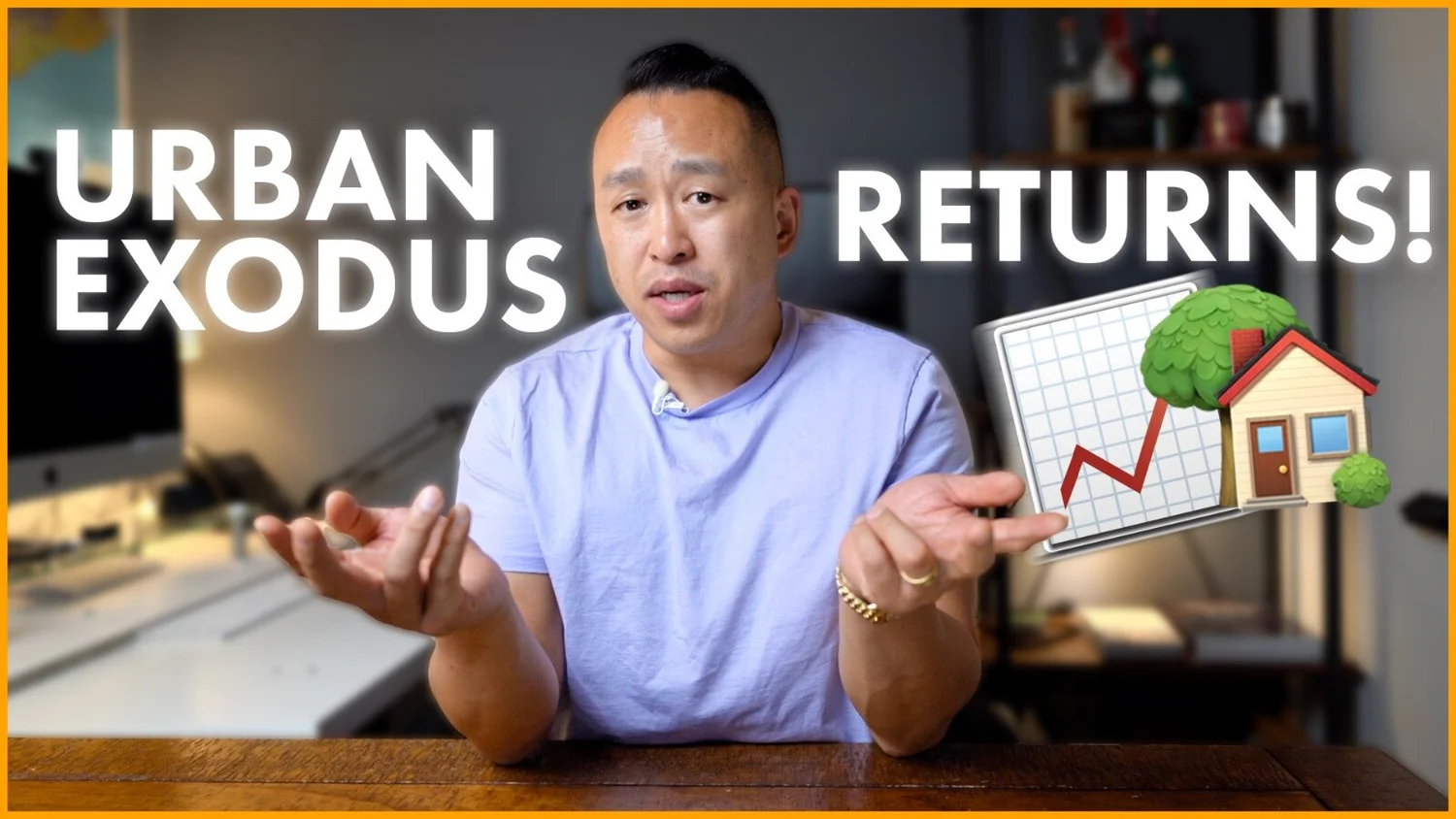
People are coming back to the City. Not everyone, but enough. Enough to drive the rental market insane, causing bidding wars all over again… FOR RENTALS!What does that mean for the Toronto real estate market? Watch this video or listen to this podcast to find out.
Jul 28, 2021
Jul 28, 2021
57 min
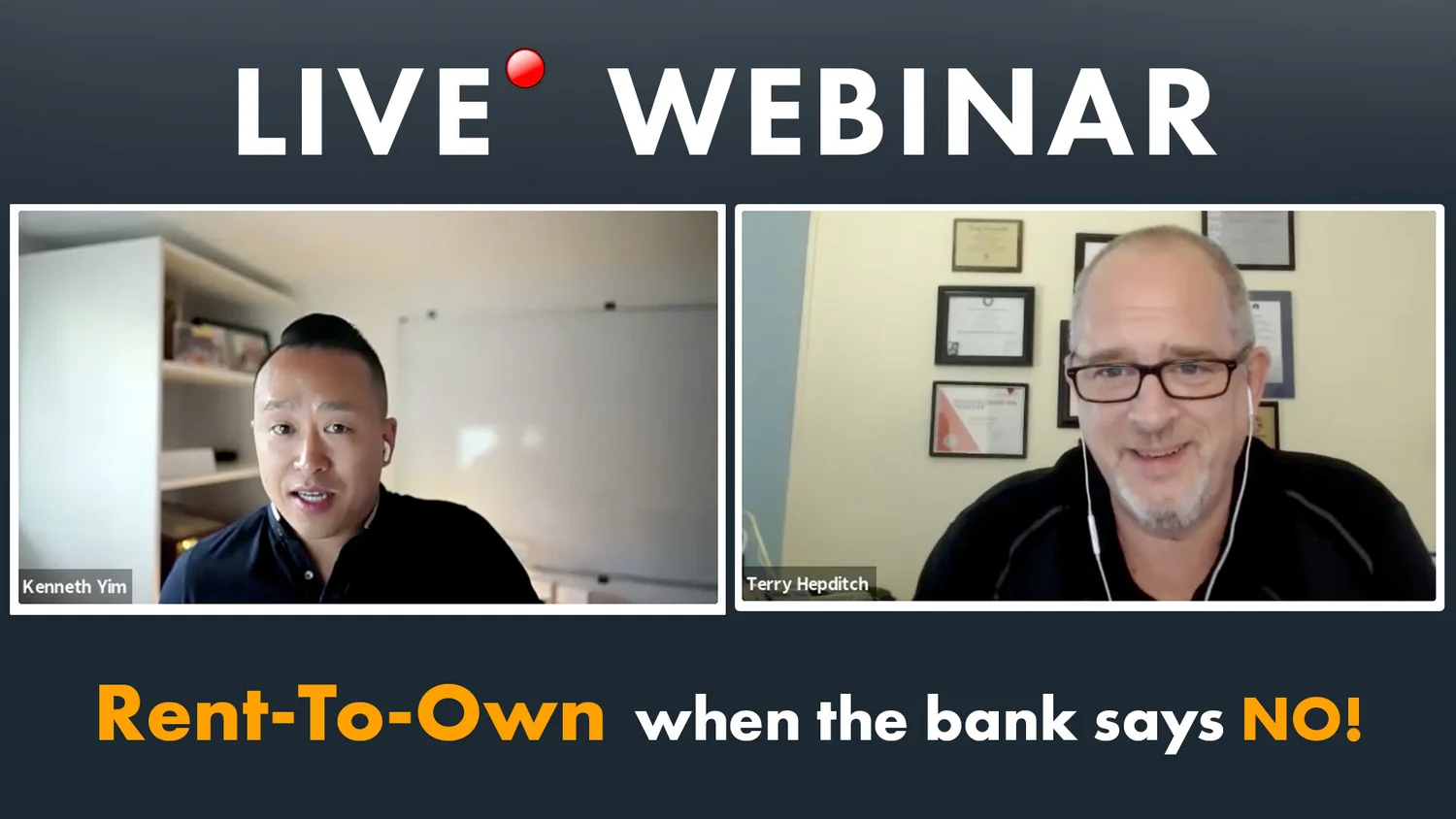
Join Ken Yim with Terry Hepditch of HOS Financial inc. to talk about the Rent-To-Own program. This revolutionary program gives consumers an alternative option when the bank says “NO”! In this webinar, we will teach you about some alternative borrowing options to give your family (or your buyer cli

Jul 21, 2021
Jul 21, 2021
7 min
Finally, we can dine indoors at restaurants again! Malls are open again. Over 61% of adults have been double vaccinated, 80% have at least one dose. Even if you personally have chosen not to vaccinate, the fact is that we are heading towards herd immunity and we can safely return to our normal lives.So what does this mean for the downtown Toronto rental market?Well, we are noticing just in this past month or so, the rental market has been on fire. While prices haven’t fully recovered to pre-pandemic levels, inventory is shrinking, demand is strengthening, and we are even seeing bidding wars on rental properties. When the volume increases, prices eventually do too.Finally, we can dine indoors at restaurants again! Malls are open again. Over 61% of adults have been double vaccinated, 80% have at least one dose. Even if you personally have chosen not to vaccinate, the fact is that we are heading towards herd immunity and we can safely return to our normal lives.So what does this mean for the downtown Toronto rental market?Well, we are noticing just in this past month or so, the rental market has been on fire. While prices haven’t fully recovered to pre-pandemic levels, inventory is shrinking, demand is strengthening, and we are even seeing bidding wars on rental properties. When the volume increases, prices eventually do too.In fact, you can see rents for a one bedroom (and one bedroom plus den) in downtown Toronto climb up slowly when you look at the average rental price on a monthly basis. If you haven’t been downtown lately, take a stroll. It’s thriving. We have been locked up for too long. We are all (im)patiently anticipating a normal life again. We want to see each other, we all want to do things. We are sick of cooking and delivered foods. We crave the experience of living, eating, and working downtown again.In addition to all of this, real estate is getting expensive. A lot of people are priced out of home ownership, or they are choosing not to participate in it. They are looking to rent until they get to the next stage in life, save more money, or decide where they want to live. Maybe it’s a “no-strings attached” way for those that did the urban exodus to ease back in to the city.It’s no wonder why the rental market is picking up again.I think we are just getting started too. Just wait until we are completely back to normal, masks aren’t required, and more importantly when the borders open up again and we have a flood of newcomers to the country. As homes get more and more expensive, it just props up the rental market even more.Until next time, we hope to talk or see you soon.Kenneth Yim Broadview Avenue Group Real Estate Team

Jul 14, 2021
Jul 14, 2021
11 min
In today's video, we have a discussion about buying your first investment real estate property, and a few tips and tricks that you should know to get you in the right headspace and make sure you set off on the right foot.
May 21, 2021
May 21, 2021
1 hr 3 min
I wanted to have this chat with life insurance agent Erica Lee for a really long time. I always hated spending my hard earned after tax money on life insurance (or any insurance for that matter). Then again, I've also always heard that all wealthy people believe in life insurance, and use it as an investment and tax planning tool. After consulting with her, I can see how this is so powerful. Hence why I am here bringing this talk to you now. I got a lot of value by working with her, I hope it can do the same for you.For full disclaimer, I am NOT getting paid for this. I do not sell insurance products, nor I do not get a kickback on any insurance policies. I probably won't even get a real estate deal or client referral from Erica for this. I only wanted to bring this to light because I finally took the leap, and want everyone to see the light too. It's an important conversation to have, especially if you hold assets and have any loved ones to pass them off to, because inevitably, we will all pass on and you can't take it with you.
Sep 10, 2019
Sep 10, 2019
5 min
Podcast Season 2 Episode 7: The Currency of TimeAre you trading time for dollars?It’s Kenneth Yim, and thanks for tuning in to Boardwalk Talks, the Toronto real estate investing podcast where we walk and talk and go around the board, and play the game of collecting properties. Why? Because we all want to generate enough passive income to fund our life and so that we don’t have to depend on working to earn active income. This show is dedicated to discussing the strategies to help you achieve financial freedom through real estate.Imagine in exactly 150 years from now, it is the year 2169, and people have been genetically engineered to stop aging after they turn 25, after which a 1 year countdown on their forearm begins. When it hits zero, the person “times out” and they die instantly. Furthermore, people can transfer time between each other with a special mutual twist of the arm, so then time has become the official currency in which people with a lot of years left can exchange their time for goods and services from others. Yes, this is the sci-fi film called “In Time” featuring Justin Timberlake and Amanda Seyfried. If you haven’t watched the film, check it out on Netflix, it’s one of my favourite movies. Not for the acting or actors or anything like that, it’s the concept that time is the universal currency that we trade on.Often times, when my day gets so busy and every single minute has been accounted for, I feel like I’m also living in this dystopian future. I feel as if I’m trading my time for dollars, and that every free minute that I have on days off are extremely valuable. Do you ever feel like you are living this way?Maybe it’s that today is a special day, it’s the day that I turn 40 years old. There, I’ve just admitted my age to you all. Anyway, as I hit the peak of the hill, I don’t think I’ve done so bad now that I’m coming down the other side.It’s not that I’m trying to boast or show off, I just want to express that I am grateful. Grateful for the way that the real estate market has taken off over the past decade, and the abundance it has created for me and for my clients as well.You see, my story started in September 2006 when I put the deposit down on my very first pre-construction condo that partially came from $25,000 that my grandmother gave me. Since then, I’ve owned several condos and now have had over 18 properties under my name, a lot of which I have kept. On one of the condos that I have owned for 9 years, the mortgage is almost paid off. It’s producing great cashflow, and I’m paying off more principal than I am interest, so it’s only a matter of time before it is completely paid off. That condo really didn’t need much work in to it. I lived in it for about 3 years, rented it out for over 5 years for a wonderful couple that never called me for anything, and they even paid a day early just to be sure that the payments cleared. That’s around $60,000 that they paid off in principle on the mortgage, and during that same time, the condo nearly doubled in value.During that time, I’ve been fortunate enough to have the foresight to buy other properties, a lot of it started by buying preconstruction condos which afforded me the time to save up for the down payment. I’ve taken some of that equity and have gotten myself in to a freehold triplex, a commercial mixed use multiplex, and some more condos as well. I’ve done some flips, a small assembly, and assignments as well. The flips and assignments produced some good cash, but that cash is useless unless you put it back to use. It’s so easy to spend that large chunk of change on toys or vacations, charities, and those around you that you love.I’d rather have more assets. Cash producing assets that will pay itself down through rental income, that has an upside based on improvements that you can make to it to increase its value, and eventually refinance to take your cash out… and then do it again. It’s a slow process, but the funny thing about time is that it flies when you are having fun. 5 years passes by in a blink of an eye now, which is just enough time to for the typical 5 year fixed mortgage term, and also that’s the length of the typical commercial tenancy, or most pre-construction projects to complete from the launch date. 5 years passes by so fast, and if you aren’t putting that time to good use, meaning, planting your seeds and letting it grow, then you’re going to get left behind.So enjoy your time, enjoy it with your loved ones, cherish every moment, but please, put it to good use. Like the “In Time” movie that you need to watch, think about time being the real currency in this market. Demand is far greater than supply, and it looks like Toronto will continue on this trend for the next 5 years at least. And what about this government? Each year they keep printing money, devaluing our currency, making hard assets go up in value.If you’re thinking, is now the right time to get in to the market? Well, the right time is when YOU are ready. Because remember, time on the market is better than timing the market. Which basically means, the more time you own this property, that you’re on this bus, that you’re on the train that’s speeding down the railroad, it’s better than figuring out when to get on. Because what if you bought Microsoft stock 30 years ago? Or if you bought that property 30 years ago? How would that make you feel? So get in early. And what better time to start then now?With that, I’m going to sign off and eat my delicious birthday cake. Until then, I’ll catch you next week!
Sep 3, 2019
Sep 3, 2019
6 min
Podcast Season 2 Episode 6: Here are the 9 ways to make money in real estate.Ever wonder how people can afford these crazy prices?Likely they are trade-up buyers. There's no way that this can be someone's first home. Use equity to grow in to more equity. How? Just get started. Start building equity through real estate. Here are 9 ways you can get started.
Aug 26, 2019
Aug 26, 2019
7 min
Podcast Season 2 Episode 5: The R word.How to fast track or catch up to retirement if you haven’t started planning for it yet.It’s Kenneth Yim, and thanks for tuning in to Boardwalk Talks, the Toronto real estate investing podcast where we walk and talk and go around the board, and play the game of collecting properties. Why? Because we all want to generate enough passive income to fund our life and so that we don’t have to depend on working to earn active income. This show is dedicated to discussing the strategies to help you achieve financial freedom through real estate.Have you thought about how and when you are going to retire? Statistics Canada says that in 2018, the average age of all retirees is 63.8 years old (1).And CIBC released a poll last year, where 32% of Canadians between the ages of 45 and 64 have nothing saved for retirement.53% of Canadians say they don’t actually know if they are saving enough.And for many people, the amount of money required to fund their lives for approximately 30 years of retirement is a secondary consideration altogether.Retirement planning is not a one size fits all exercise, and there certainly is not a cookie cutter approach to determining how much money you will need to sustain you throughout your golden years. That’s because the actual dollar amount you need to save will be driven by the lifestyle considerations you choose.According to the report, the average amount of personal savings Canadians estimate they’ll need to retire comfortably is $756,000. Again, that number may or may not be enough for you, it really depends on you. However, if you’re looking at your bank account and you don’t see nearly 7 figures in there and you don’t think you can ever get there, then don’t worry, there’s still hope. If you think that’s not enough, then it’s all the more reason to start thinking and talking about it.So, here are a few tips on how you can build your nest egg, courtesy of CIBC:1. Plan your lifestyle and make the future as predictable as possible2. Understand your spending today and estimate what it’s likely to be in retirement3. Work with a financial advisor to project your income and expenses4. Put your savings plan on auto-pilot with regular deposits to a dedicated savings account5. Invest for the long term and revisit your investment plan regularly, at least once a year 6. Determine the best time to draw down on public pension benefits or personal savingsSo how do you actually do all of this? Well, my plan is to buy more properties. I’m not a huge fan of equities, they are too volatile and I want something more stable. So I look to rental properties for my solution.You can start with something as simple as buying a condo in downtown Toronto, where vacancy rates are one of the lowest in the world. The rental demand is just that strong. Look at our booming tech scene in Toronto, seemingly overnight it has just exploded. Tech works are paid very well as compared to other industries out there, and as they are newcomers to the country, their initial housing strategy would be to rent, not buy. As they move here and trying to figure themselves out, they want to rent first.So I was just down at a conference in California last week, and had a staggering realization. The US vacancy rate is 6.18% overall, and the California vacancy rate is 3.49%, according to the last US census in 2017. Let’s compare this to the Canadian Housing and Mortgage Corporation’s numbers. Nationally, it was 3.0% in 2017, and that trend has gone down to 2.4% last year. Toronto’s vacancy rate is one of the lowest in the country, at around 1.0%.One thing I learned from being at that conference and talking to our American friends is that our Toronto rental market is strong, which props up the housing sector and makes this whole thing work. Toronto is an attractive place to live, and properties are getting more and more expensive (they already are expensive, I should say). Furthermore, the mortgage stress test makes it hard to get approved for a loan, and inflation is getting stronger. I mean, you can see this in the price of every day goods, like a cup of coffee or gas or avocado toast. All the while that the average wages are just stagnating. Our children of the future will have a difficult time saving enough for a down payment, let alone affording the mortgages. Never mind the next generation, our generation now is barely scraping by.If this sounds all fine and dandy to you but an investment property seems out of reach, here’s some things that you can do to get started. Let’s work off of CIBC’s tips. The first two don’t change, which is:1. Plan your lifestyle and make the future as predictable as possible, and2. Understand your spending today and estimate what it’s likely to be in retirement.You should know those numbers. You need to do these steps regardless. I would then add the following comments the next four points:3. Work with a financial advisor to project your income and expenses. That financial advisor can be someone like our real estate team, it doesn’t have to be a traditional financial advisor playing in the equities market. Or it can be both.4. Put your savings plan on auto-pilot with regular deposits to a dedicated savings account. Or, you can buy a preconstruction condo which will force you to save for around 20% of the purchase price over a period of 2-4 years, then you can have the tenants pay off the remaining 80% of the purchase price by paying off your mortgage over the next 25 years. Hard assets should be inflation-proof, because housing costs are included in the basket of goods that the government uses to calculate the Consumer Price Index which is the definition of inflation in the first place.5. Invest for the long term and revisit your investment plan regularly, at least once a year. If you are one of our clients, give us a call and we can give you an update on your real estate holdings at any time.6. Determine the best time to draw down on public pension benefits or personal savings. I would argue to never draw down on it. Don’t cut down the tree, keep watering that tree and eat the fruit it bears. If you find that there’s not enough fruit and you have time to wait, then take the seeds and plant some more trees and water that tree and eat the fruit that this tree eventually bears. And then, when you have an orchid, you can pass that down to future generations.Anyway, the moral of the story is to let your tenants do all the heavy lifting to pay down and pay off your mortgage over the next 25 or 30 years. You are doing social justice to society by providing housing for newcomers, young people, students, lifestyle renters, and anyone that chooses to rent instead of buy. In reward for your patience, you will have a good retirement and your next generation will be taken care of, whether you gift them all or part of your portfolio, or you can use it to teach them math and financial management for looking after assets.A question that I get from a lot of people is, what If your properties don’t cover? In my opinion, if the negative cashflow isn’t an issue for you, then it’s OK because the tenants are still paying off a large portion of your mortgage. As long as they are paying enough rent to cover property taxes, interest, insurance, maintenance and management fees, then everything else just goes to growing your equity. Think about it, the typical mortgage amortization is either 25 or maybe 30 years. If you do nothing but just buy one property, in 25 or 30 years, you will have caught up to the amount needed to retire according to that CIBC poll, which is only $756,000. I say only, because the average price of a property is a little over $806,000 in Toronto. And that’s in today’s dollars, imagine how much it will amount to in 25 years from now.That my friends, is how you retire.Thanks for listening, and catch you next week.(1) Statistics Canada. Table 14-10-0060-01 Retirement age by class of worker, annual. https://www150.statcan.gc.ca/t1/tbl1/en/tv.action?pid=1410006001(2) BNN Bloomberg. 32% of Canadians are nearing retirement without any savings: Poll: https://www.bnnbloomberg.ca/32-of-canadians-are-nearing-retirement-without-any-savings-poll-1.991680(3) CIBC Poll on Retirement: http://cibc.mediaroom.com/2018-02-08-Am-I-saving-enough-to-retire-Vast-majority-of-Canadians-just-dont-know-CIBC-poll(4) Vacancy rates in California and US: https://www.deptofnumbers.com/rent/california/(5) Vacancy rates in Toronto: https://www150.statcan.gc.ca/t1/tbl1/en/tv.action?pid=3410012701